



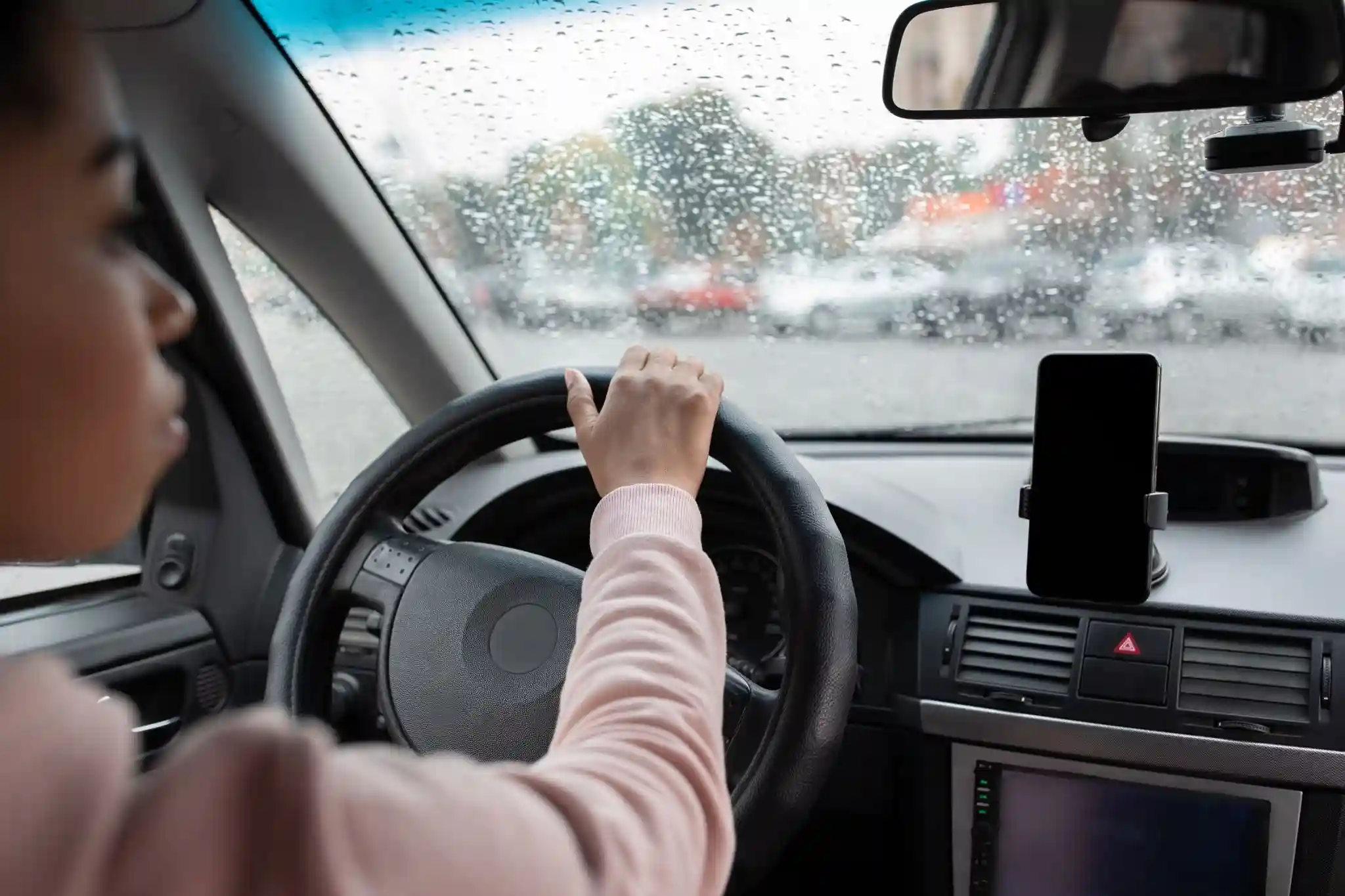
Driving in bad weather is one of the biggest challenges for even the most experienced drivers. Rain and snow drastically change road conditions, reduce visibility, increase stopping distances, and make vehicles more difficult to control. Many accidents happen simply because drivers underestimate how much the road changes when it’s wet or icy. To stay safe, you need to know how to adjust your driving habits, understand how your vehicle behaves in harsh conditions, and take steps to prepare before you even start your engine.
Whether you’re facing light rain, a heavy downpour, sleet, flurries, or a full winter storm, the principles of safe driving remain the same: reduce your speed, increase your awareness, and stay calm. This comprehensive guide breaks down the most important driving tips for handling rain and snow safely, helping you protect yourself, your passengers, and others on the road.
Slow Down and Increase Your Following Distance
Speed is a major factor in weather-related accidents. Wet or icy roads reduce traction, meaning your tires have less grip and your stopping distance increases significantly. The faster you drive, the less time you have to react.
In rain:
Stopping distance can double on wet pavement.
In snow and ice:
Stopping distance can triple or even quadruple.
Slowing down gives you more control and more time to respond. Additionally, increase your following distance to at least 6–8 seconds in rain and 10–12 seconds in snow or ice. The more space you keep, the safer you’ll be.
Turn on Your Headlights — Even During the Day
Many drivers underestimate how important headlights are during rain or snow. Headlights help you see better, but even more importantly, they help other drivers see you.
Use headlights when:
-
It’s raining
-
Snow is falling
-
Visibility is reduced
-
The sky is overcast
-
You’re driving through fog
Avoid using high beams in heavy rain or snowfall, they reflect off moisture and reduce visibility.
Avoid Sudden Movements and Brake Gently
One of the biggest dangers in rain and snow is skidding. Sudden braking, quick lane changes, or sharp turns can cause your tires to lose traction.
Instead:
-
Brake gradually
-
Accelerate slowly
-
Turn smoothly
-
Avoid jerky steering
Gentle movements help maintain control even when traction is low.
Know How to Handle Hydroplaning
Hydroplaning happens when your tires lose contact with the road and glide on a thin layer of water. Even at speeds as low as 35 mph, hydroplaning can happen during heavy rain.
If you hydroplane:
-
Stay calm
-
Do NOT slam the brakes
-
Ease off the gas
-
Steer gently in the direction you want to go
-
Let the tires reconnect with the road
Staying calm and avoiding sudden movements helps regain control.
Understand How to Manage Skids on Snow or Ice
Skidding on snow or ice is frightening, but knowing how to respond can prevent an accident.
For front-wheel skids:
Gently ease off the gas and steer back toward the intended direction.
For rear-wheel skids (fishtailing):
Turn your steering wheel in the same direction the rear of the car is sliding, this is known as “steering into the skid.” Avoid hard braking and wait for the tires to regain traction.
Use Winter Tires in Cold Climates
If you live in a place with freezing temperatures, winter tires are one of the best safety investments you can make. They are designed with deeper tread patterns and special rubber compounds that remain flexible in cold weather.
Winter tires provide:
-
Better traction on snow
-
Improved braking
-
Greater control on ice
-
Better handling at low temperatures
All-season tires are NOT the same as winter tires. They perform well in mild weather but lose effectiveness below 45°F (7°C).
Avoid Cruise Control in Bad Weather
Cruise control is convenient, but it can be dangerous in rain or snow. When roads are slippery, cruise control may cause your vehicle to accelerate unexpectedly or prevent you from reacting quickly.
Cruise control can cause:
-
Faster hydroplaning
-
Reduced reaction time
-
Poor adjustment on slippery surfaces
Always maintain manual control of speed during poor weather conditions.
Clear All Windows, Mirrors, and Lights Before Driving
Visibility is critical in bad weather. Before hitting the road, remove snow, ice, and fog from your vehicle.
Clear:
-
Windshield
-
Rear window
-
Side mirrors
-
Headlights and taillights
-
Roof (to prevent snow from sliding down)
Driving with snow-covered windows is not only dangerous, it’s illegal in many areas.
Use Your Defroster and Keep Interior Windows Clear
Moisture causes windows to fog up quickly in bad weather. A fogged windshield impairs visibility more than rain or snow outside.
Turn on your defroster and climate controls to keep the glass clear. If needed, crack the window slightly to balance humidity levels.
Avoid Puddles and Deep Water
You can’t always see what’s beneath standing water. Puddles may hide deep potholes or cause your car to hydroplane.
Dangers of deep water include:
-
Hydroplaning
-
Wheel damage
-
Engine flooding
-
Electrical failure
If you can’t gauge the depth of a puddle, it’s safer to drive around it.
Drive in the Tracks of the Vehicle Ahead
When roads are wet or snowy, following in the tire tracks left by vehicles ahead gives you better traction, as the snow or water has already been partially displaced.
Just make sure to maintain a safe following distance.
Know When to Turn Back or Avoid Driving
The safest option in extreme weather is often to wait until conditions improve. Snowstorms, heavy rain, and freezing rain create dangerous situations even for expert drivers.
Consider staying off the road if:
-
Visibility is low
-
Ice is forming
-
Roads are unplowed
-
Flooding is possible
-
Winds are extremely strong
No destination is worth risking your safety.
Keep an Emergency Kit in Your Vehicle
Bad weather can cause breakdowns, delays, or getting stuck. Having an emergency kit makes a big difference.
A good emergency kit includes:
-
Blanket
-
Flashlight
-
Extra batteries
-
Gloves and hat
-
Ice scraper
-
Shovel
-
First aid kit
-
Water and snacks
-
Jumper cables
-
Road flares or reflective triangles
Preparation gives you peace of mind and keeps you safe during unexpected situations.
Know How Temperature Affects Roads
Temperature plays a huge role in road safety:
Rain:
Warm rain on cold pavement can create a thin layer of steam-like moisture that reduces traction.
Snow:
Fresh snow can be manageable, but packed snow becomes extremely slippery.
Ice:
Black ice is the most dangerous, nearly invisible and extremely slick.
Being aware of temperature shifts helps you anticipate road behavior.
Don’t Drive Through Snow Drifts or Plowed Piles
Snowdrifts may look harmless, but they can conceal obstacles like curbs, rocks, or debris. They may also be much deeper than they appear.
Driving into a snowdrift can cause:
-
Loss of control
-
Vehicle damage
-
Getting stuck
-
Air intake blockage
Take alternate routes rather than trying to push through.
Brake Earlier and Gently on Slippery Roads
On slick roads, braking needs to start sooner and be smoother. Slamming the brakes results in skidding, especially without anti-lock brakes (ABS).
With ABS:
Press the brake pedal firmly and steadily, let the system control the braking pulses.
Without ABS:
Pump the brakes lightly to prevent wheel lockup.
Understanding your car’s braking system helps you stop safely.
Final Thoughts
Driving in rain or snow requires patience, awareness, and preparation. Harsh weather dramatically changes how your vehicle handles, how well your tires grip the road, and how quickly you can respond. By slowing down, planning ahead, maintaining visibility, and avoiding sudden movements, you give yourself the best chance of staying safe in unpredictable conditions. Learning how to respond to hydroplaning, skids, low visibility, and slippery roads is essential for every driver, regardless of experience level.
Remember that no journey is more important than your safety. If conditions are too dangerous, delaying your trip is always the wiser choice. By adopting responsible driving habits and preparing your vehicle properly, you protect yourself and everyone around you. Safe driving during rain or snow isn’t just a skill, it’s a commitment to making the roads safer for everyone during the toughest weather challenges.