



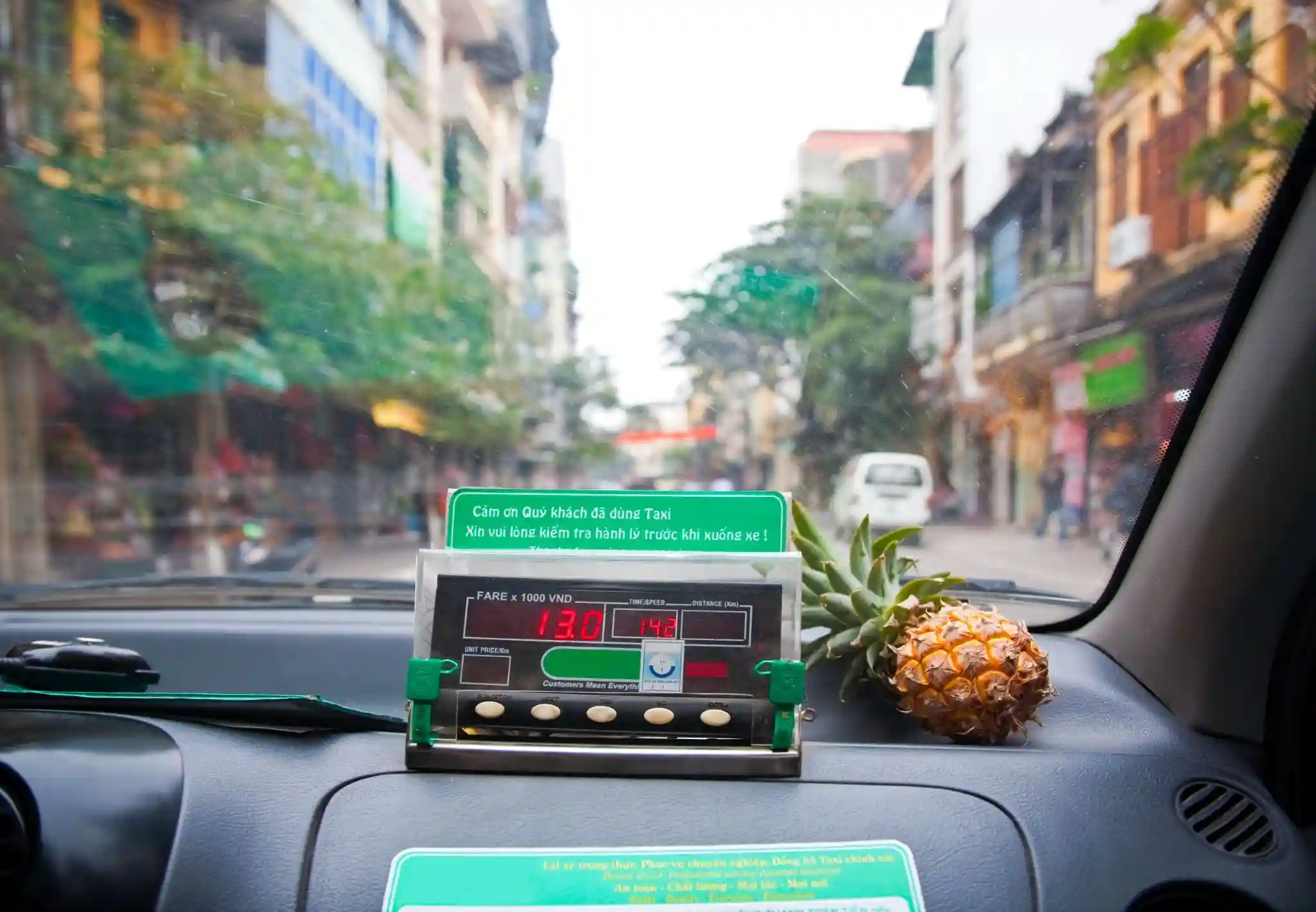
Taxi meters play a crucial role in determining how much you pay for a ride. Many travelers step into a cab without fully understanding how the cost of their trip is calculated. While taxi meters may appear mysterious or even unpredictable, they operate using a detailed system regulated by city transportation authorities. Once you understand how meters calculate fare rates, your taxi rides become more transparent, predictable, and stress-free.
A taxi meter uses a combination of distance, time, speed, and predetermined fees to calculate the final price of your journey. These devices are designed to ensure fairness for both passengers and drivers, providing standardized rates that reflect the effort, fuel, and time required to transport riders safely. This guide explains everything you need to know about how taxi meters work, what influences your fare, and how to avoid unwanted surprises during your ride.
Understanding What a Taxi Meter Does
A taxi meter is an electronic device that automatically calculates fare based on regulated formulas. These formulas vary between cities but follow the same general principles.
A typical taxi meter calculates your fare using:
-
Base fare (starting fee)
-
Distance traveled
-
Time spent waiting or moving slowly
-
Surcharges and special fees
Taxi meters ensure that riders pay fairly and that drivers are compensated for time spent in traffic or on longer routes.
The Core Components of Taxi Meter Pricing
Every taxi fare is built from several key components. Let’s break them down clearly.
1. Base Fare: The Starting Point
The base fare is the fixed cost that appears the moment your driver turns on the meter. It covers:
-
Entering the vehicle
-
Initial driving distance
-
Operational startup costs
This fee varies depending on the city and is often adjusted periodically to reflect inflation, fuel prices, and regulations.
2. Distance-Based Fare: Price Per Mile or Kilometer
As the taxi moves, the meter calculates the number of miles (or kilometers) traveled. The longer the distance, the higher the fare.
Distance fares vary widely depending on:
-
City size
-
Local demand
-
Cost of living
-
Traffic conditions
Big cities often have higher distance rates compared to smaller towns.
3. Time-Based Fare: When Speed Drops Below a Threshold
If the taxi is stuck in traffic or moving slower than a certain speed, usually 10 to 15 mph, the meter switches from distance-based pricing to time-based pricing.
This compensates drivers for:
-
Heavy congestion
-
Long red lights
-
Construction-related delays
Time-based pricing ensures drivers are still compensated even when distance barely increases.
4. Surcharges and Additional Fees
Taxi meters often include built-in surcharges that automatically appear at the end of the ride. These fees depend on local regulations and driver labor requirements.
Common surcharges include:
-
Peak-hour surcharges
-
Late-night or weekend surcharges
-
Airport pickup or drop-off fees
-
Tolls added to the fare
-
Extra passenger fees
-
Fuel surcharges
-
Luggage handling fees
Not all cities have surcharges, but major metropolitan areas typically include multiple add-on fees.
The Formula Behind Taxi Meter Calculations
While exact formulas vary, most taxi meters follow a similar structure:
Final Fare = Base Fare + (Distance × Rate) + (Time × Time Rate) + Surcharges + Tolls
This formula ensures that both distance and time are accounted for. Whether you’re moving quickly down a highway or crawling through downtown traffic, the meter captures your travel cost accurately.
How Modern Taxi Meters Use GPS
Modern taxi meters are more advanced than traditional mechanical devices. Today, many meters rely on GPS technology to measure distance and calculate time-based pricing more accurately.
GPS-based meters help improve:
-
Fare accuracy
-
Route tracking
-
Fraud prevention
-
Real-time distance calculation
GPS meters also reduce disputes between drivers and passengers, because the fare calculation is transparent and automated.
Why Taxi Meters Switch Between Distance and Time
Taxi meters automatically alternate between distance-based and time-based pricing depending on the taxi’s speed.
When the taxi is moving fast → Distance pricing
When the taxi is moving slow or stopped → Time pricing
This ensures a balanced wage for drivers in all traffic conditions. For example:
-
A 1-mile drive on a clear road may take 4 minutes
-
The same 1-mile drive in rush-hour traffic may take 20 minutes
Without time pricing, drivers would lose income in dense traffic areas where time far outweighs distance.
City Regulations and Taxi Meter Standards
Taxi meter pricing is heavily regulated. Cities and local transportation authorities set:
-
Base fares
-
Distance rates
-
Waiting time charges
-
Maximum surcharges
-
Taxi zone pricing rules
These regulations protect passengers from overcharging and ensure fair wages for drivers.
Taxi meters must also undergo periodic calibration checks to ensure they measure distance and time accurately. This prevents faulty or manipulated meters, ensuring consistent pricing across taxis.
Why Taxi Fares Vary from City to City
Taxi fare differences between cities are influenced by multiple factors, including:
-
Cost of living
-
Gas prices
-
Vehicle maintenance costs
-
Driver licensing fees
-
Congestion patterns
-
Local wages
For example, a mile-long ride in New York City costs significantly more than a mile-long ride in a smaller town due to higher operating expenses and demand.
How to Avoid Overpaying on Taxi Meter Rides
Even though meters are regulated, it’s important for passengers to be informed. Following simple tips can help you avoid unexpected fares:
-
Confirm that the driver starts the meter immediately
-
Know local surcharges before riding
-
Avoid traveling during peak-hour surcharges
-
Use route-tracking apps to ensure efficient routing
-
Know whether your route uses toll roads
Being aware of meter rules gives you more control over your travel budget.
Taxi Meters vs. Rideshare Pricing
Many travelers compare taxi meters with rideshare pricing from companies like Uber and Lyft. The two systems work differently:
Taxi meters use:
-
Regulated rates
-
Fixed formulas
-
No surge pricing (in most cities)
Rideshares use:
-
Dynamic pricing
-
Surge charges during high demand
-
Algorithm-based fares
In some cases, taxis are cheaper and more predictable. In others, rideshares offer convenience or discounts. Understanding both systems helps you choose the best option for each trip.
Technology Improvements in Taxi Meters
New technologies have upgraded the taxi meter system significantly.
Modern meter features include:
-
Credit card payment screens
-
GPS-based distance tracking
-
Digital receipt printers
-
Automated toll integration
-
Touchscreen meter controls
-
Fraud detection systems
These improvements create greater transparency, reliability, and convenience for passengers.
Frequently Asked Questions
1: Can taxi drivers manually change the fare on the meter?
Taxi meters are designed to prevent unauthorized fare manipulation. Drivers cannot manually alter distance or time calculations. They can only select required settings, such as starting the meter or adding permitted surcharges. Meters are sealed and regulated by local authorities. Attempts to tamper with a meter are illegal and can result in penalties or loss of license.
2: Why do two taxis charge different fares for the same trip?
Different fares for similar routes can occur due to traffic variations, different time-based charges, toll road choices, or slightly different routes. Congestion can significantly affect total cost. Additionally, peak-hour or night surcharges may apply at certain times. Using a fare estimator and monitoring the route can help ensure consistent pricing.
Final Thoughts
Understanding how taxi meters calculate fare rates gives you confidence and clarity each time you travel. Once you recognize how base fares, distance rates, time charges, and surcharges work together, the numbers on the meter make perfect sense. Meter-based pricing may seem complex at first, but it’s actually one of the fairest and most transparent systems available, designed to ensure accuracy for both passengers and drivers.
As technology continues to modernize, taxi meters are becoming even more precise and user-friendly. With tools like GPS tracking, digital displays, and real-time data, riders can expect greater transparency and smoother travel experiences. Whether you’re commuting daily or exploring a new city, understanding taxi meter pricing empowers you to make smarter transportation choices and enjoy stress-free rides anywhere you go.