

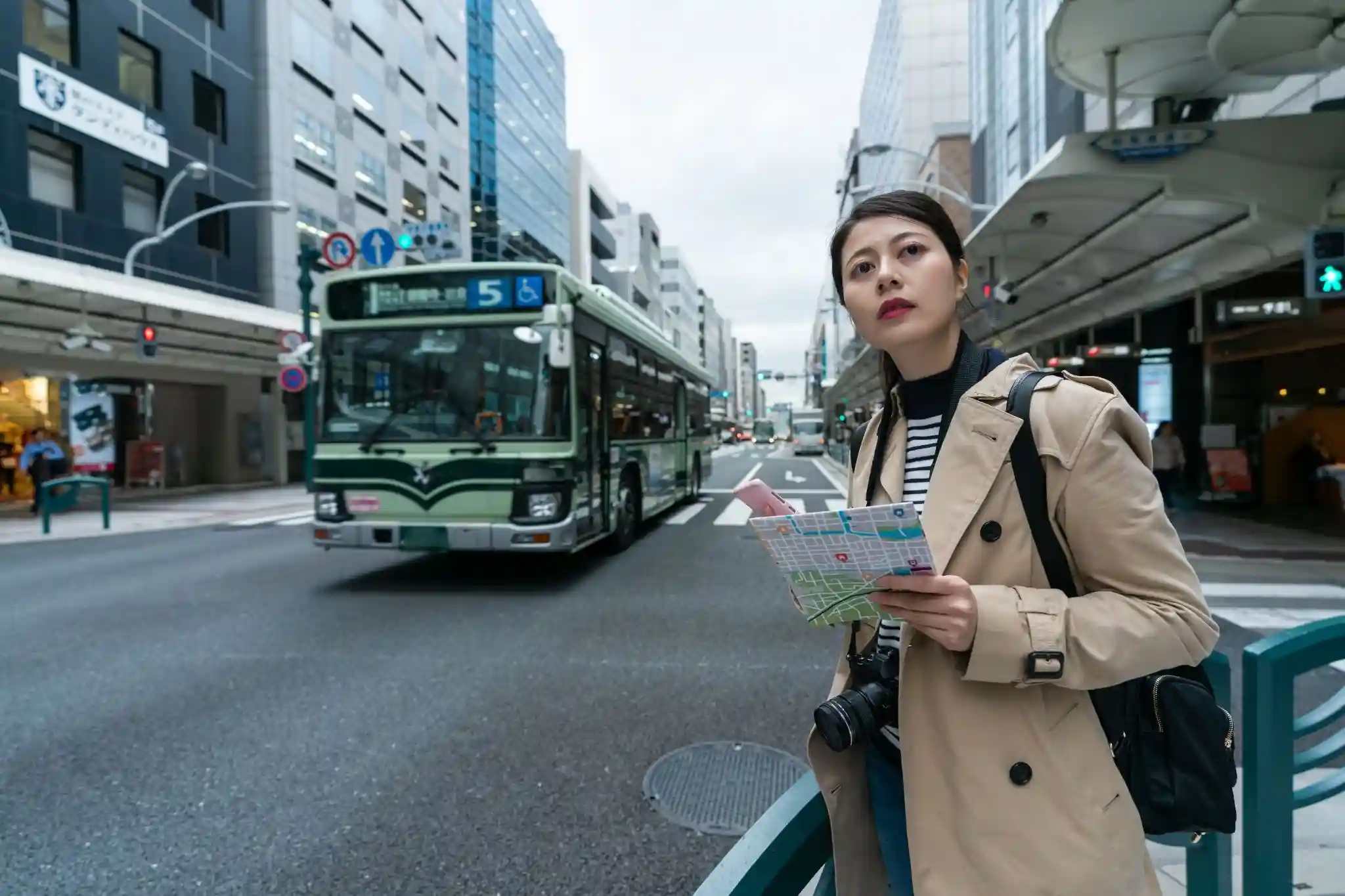
City bus routes and public transit systems are the backbone of modern urban life. They connect neighborhoods, reduce traffic congestion, support environmental sustainability, and ensure that people of all ages and income levels can travel affordably. Whether you’re a daily commuter, a student, a traveler exploring a new city, or someone relying on public transportation for everyday errands, understanding how urban transit networks work can make your travel faster, smoother, and far more enjoyable.
Yet many people find city bus routes confusing, especially in large metro areas with dozens of lines, hundreds of stops, and complex transfer systems. The good news is that once you learn how routes are designed, how schedules work, and how to use planning tools, navigating public transit becomes simple and efficient. This comprehensive guide breaks down everything you need to know about city bus routes, transit maps, schedules, transfers, and smart tips for getting around with confidence.
Understanding How City Bus Routes Work
City bus routes are carefully planned based on population patterns, street layouts, major destinations, and commuter demand. Transit agencies design routes to ensure people can travel between essential points such as workplaces, schools, hospitals, residential areas, shopping districts, and city centers.
Most city bus routes fall into these categories:
-
Local Routes: Serve neighborhoods with frequent stops
-
Express Routes: Faster service with fewer stops
-
Rapid/BRT Routes: Bus Rapid Transit with dedicated lanes
-
Circular or Loop Routes: Start and stop at the same main station
-
Feeder Routes: Connect outer neighborhoods to major transit hubs
-
Night or Weekend Routes: Limited services outside peak hours
Understanding route types helps you choose the most efficient option based on your destination and time of day.
Key Components of a Bus Route
Every bus route is made up of several elements that help riders understand how and where the vehicle travels.
1. Route Number and Name
Each bus has a number or letter that identifies its route. Names may reflect major streets, destinations, or neighborhoods served.
2. Direction of Travel
Many routes operate in two directions. Transit signs often list “Inbound” (toward downtown) and “Outbound” (away from downtown).
3. Stops and Time Points
Stops are where buses pick up and drop off passengers. Time points are major stops where schedule times are guaranteed.
4. Headways (Frequency)
This refers to how often buses arrive, such as every 10 minutes or every 30 minutes.
Understanding these components helps you navigate any public transit system more efficiently.
How Bus Schedules Work
Bus schedules are designed to keep routes predictable and easy to follow. However, schedules vary depending on passenger demand.
Typical schedule patterns include:
-
Peak Hours: More frequent service during morning and evening commutes
-
Midday: Slightly longer intervals between buses
-
Evenings/Nights: Reduced service
-
Weekends/Holidays: Special schedules with limited frequency
Schedules are affected by traffic, weather, route length, and city density. Many systems now use real-time updates to improve reliability.
Understanding Transit Maps
Transit maps provide a visual overview of all bus routes in a city. While they may look complex at first glance, they are designed to be user-friendly once you understand the layout.
Key features of transit maps include:
-
Color-coded routes
-
Major stops and transfer points
-
Landmarks such as universities, hospitals, or malls
-
Connection points with trains or trams
-
Direction arrows and route loops
By learning how to read transit maps, you can quickly identify the best route to any destination.
Transfers and Connecting Routes
Transfers allow you to switch from one bus route to another, or connect to other transit modes like trains, subways, or trams.
Tips for smooth transfers:
-
Identify major transfer hubs (downtowns, transit centers)
-
Check schedules to minimize wait times
-
Use mobile apps for real-time arrival information
-
Plan backup routes in case you miss a connection
Good transfer planning can reduce total travel time and make your commute more efficient.
How Urban Transit Networks Are Designed
Urban transit systems are built to support mobility, reduce traffic, and encourage sustainable travel. Transit planners analyze travel patterns, population density, economic activity, and road capacity to design efficient networks.
Key goals of transit network design include:
-
Connecting underserved areas
-
Reducing travel time
-
Supporting economic growth
-
Improving accessibility
-
Providing reliable, safe transportation
Transit networks evolve over time based on ridership trends, new developments, and city expansion.
Accessibility and Inclusivity in Transit Systems
Modern public transit networks prioritize accessibility for all passengers, including seniors, individuals with disabilities, and those with mobility challenges.
Common accessibility features:
-
Low-floor buses
-
Wheelchair ramps and lifts
-
Priority seating
-
Audible stop announcements
-
Braille signage
-
Digital displays for next stops
These features help create an inclusive transportation system that everyone can use independently.
Smart Commuting Tips for Public Transit Riders
Whether you’re a beginner or a daily rider, these strategies can help improve your experience:
1. Use Mobile Transit Apps
Many cities offer apps with real-time arrival updates, route planning, delays, and service alerts.
2. Know Peak Travel Times
Avoid rush hour when possible to ensure faster travel and less crowded buses.
3. Keep a Prepaid Transit Card
Transit cards reduce boarding time and sometimes offer discounted fares.
4. Arrive Early at Major Stops
Downtown hubs and busy terminals can get crowded, so arriving early helps ensure smooth boarding.
5. Stay Aware and Safe
Follow bus etiquette, keep belongings secure, and remain aware of your surroundings.
How City Transit Supports Sustainability
Public transportation is a key factor in reducing carbon emissions, fuel consumption, and urban congestion. More people choosing buses means fewer cars on the road.
Environmental benefits include:
-
Lower greenhouse gas emissions
-
Reduced traffic congestion
-
Improved air quality
-
More efficient use of roadway space
Many cities are also transitioning to electric buses, further reducing environmental impact.
How to Troubleshoot Common Transit Issues
Even the best transit systems face occasional challenges. Knowing how to handle them makes your commute easier.
Late Buses:
Use real-time tracking to find alternative routes.
Crowded Vehicles:
Try boarding at earlier stops.
Missed Transfers:
Have a backup route ready through a transit app.
Route Detours:
Check service alerts ahead of time.
Being prepared helps you navigate unpredictability with less stress.
Future Trends in Urban Transit Networks
Cities worldwide are investing in innovative technologies to improve transportation.
Emerging trends include:
-
Electric and hybrid bus fleets
-
Smart traffic signal priority for buses
-
Dedicated BRT lanes
-
On-demand micro-transit services
-
AI-powered route optimization
-
Fully digital payment systems
These advancements promise faster, greener, and more efficient urban mobility.
FAQs
1: How can I find the best bus route to my destination?
The easiest way is to use a city transit app or online trip planner. These tools let you enter your starting point and destination to see recommended routes, transfer points, and travel times. You can also check printed maps at bus stops or transit centers. Using digital tools ensures you get real-time updates and the fastest available route.
FAQ 2: What should I do if my bus is late or doesn’t arrive?
Start by checking your transit app for real-time updates, which often show delays or detours. If the bus is significantly delayed, look for alternative routes or nearby stops. Many cities also provide text alerts or announcements on social media. Having a backup route in mind helps you avoid unnecessary waiting and get to your destination on time.
3: Are city bus networks safe for travelers and commuters?
Yes, most modern transit systems follow strict safety protocols. Buses are monitored through GPS and sometimes cameras. Drivers receive training for safe and responsible operation. Transit agencies also enforce rules to protect passengers. However, staying aware of your surroundings, keeping valuables secure, and following bus etiquette can further enhance your safety and comfort.
Final Thoughts
Understanding city bus routes and transit networks empowers you to travel more confidently and efficiently through any urban environment. With a basic understanding of routes, schedules, transfers, and digital tools, you can navigate public transit like a seasoned commuter. Public transportation not only saves money, it also reduces stress, supports sustainability, and connects communities in meaningful ways.
As cities continue modernizing their transit systems, riders benefit from greater accessibility, improved reliability, and enhanced convenience. Whether you’re commuting daily or exploring a new city, taking the time to learn how public transit works gives you more freedom and flexibility in your travels. With the right knowledge, navigating city bus routes becomes simple, predictable, and enjoyable.